
Most Livable Cities in 2025: Every year, the Economist Intelligence Unit (EIU) publishes its Global Livability Index, one of the most respected global benchmarks for assessing quality of life in cities around the world. The index evaluates 173 cities across 30 indicators, grouped into five key categories: stability, healthcare, culture and environment, education, and infrastructure.
In 2025, the results tell a story that goes beyond simple rankings. They reflect how global uncertainty, rising security concerns, and social pressures are reshaping what “livability” truly means and why certain cities continue to rise above the rest. Among them, Vancouver once again earns a place in the global top 10, standing as the only North American city to do so this year. Its presence highlights Canada’s ongoing reputation as a country where safety, opportunity, and long-term quality of life intersect.
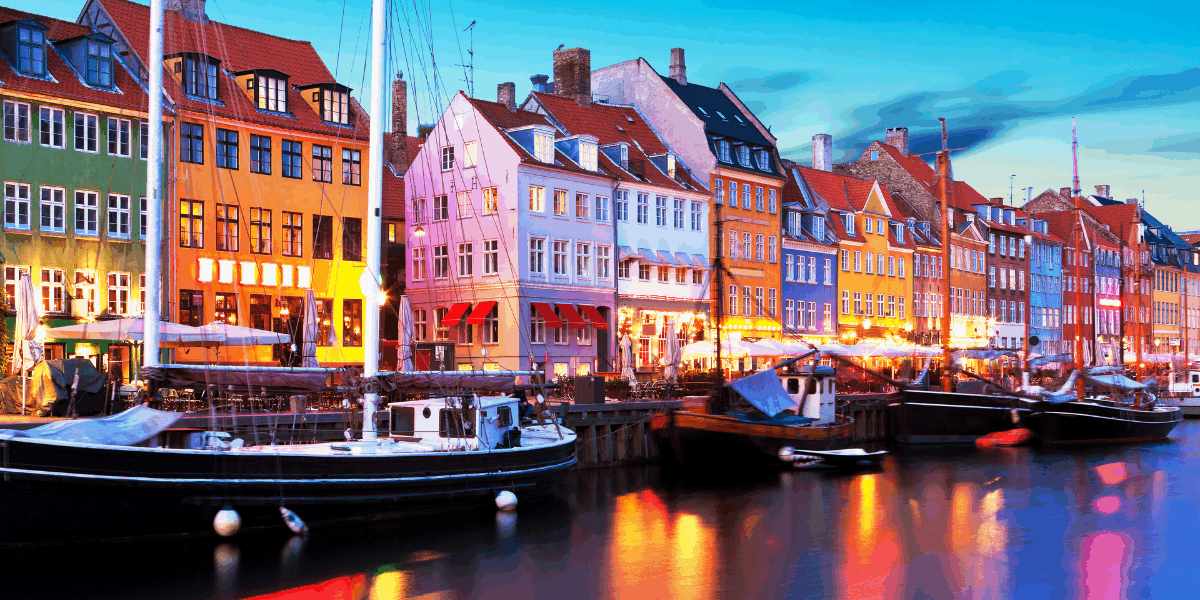
The Top 10 Most Livable Cities in 2025
According to the EIU Global Livability Index 2025, the world’s Most Livable Cities in 2025 are:
- Copenhagen, Denmark
- Vienna, Austria (tie)
- Zurich, Switzerland (tie)
- Melbourne, Australia
- Geneva, Switzerland
- Sydney, Australia
- Osaka, Japan (tie)
- Auckland, New Zealand (tie)
- Adelaide, Australia
- Vancouver, Canada.
While the Most Livable Cities in 2025 list features cities from different regions and cultures, clear patterns emerge. Western Europe, Australia, New Zealand, and Canada continue to dominate the upper tier, reflecting long-standing investments in public services, social stability, and infrastructure.
What Changed in the Most Livable Cities in 2025 And Why It Matters
One of the biggest headlines this year for the Most Livable Cities in 2025 was Copenhagen’s rise to first place, ending Vienna’s three-year run at the top. Copenhagen achieved perfect scores of 100 in stability, education, and infrastructure, a rare and difficult combination.
At the same time, Vienna slipped to joint second place, not due to declining healthcare or education, but because of a drop in its stability score following security incidents, including a bomb threat that led to the cancellation of a major public event.
These changes reflect a broader global trend identified in the Most Livable Cities in 2025 report:
- Healthcare, education, and infrastructure scores improved globally
- Overall stability declined worldwide, influenced by geopolitical tensions, civil unrest, and security risks
- Cities that maintain safety and social trust now stand out more than ever
In this context, Canada’s continued presence in the top rankings, through Vancouver, is particularly significant.
Why Livability Rankings Matter More Than Ever
Livability indices are not just academic exercises. For individuals, families, and professionals considering relocation, these rankings offer insight into:
- Daily safety and security
- Access to quality healthcare
- Education systems for children and adults
- Work-life balance
- Urban design and mobility
- Social inclusion and diversity
In a world where remote work, international mobility, and global migration are increasingly common, people are looking beyond short-term opportunities. They are choosing places where they can build stable, fulfilling lives over the long term.
Vancouver’s Place Among the World’s Best Cities
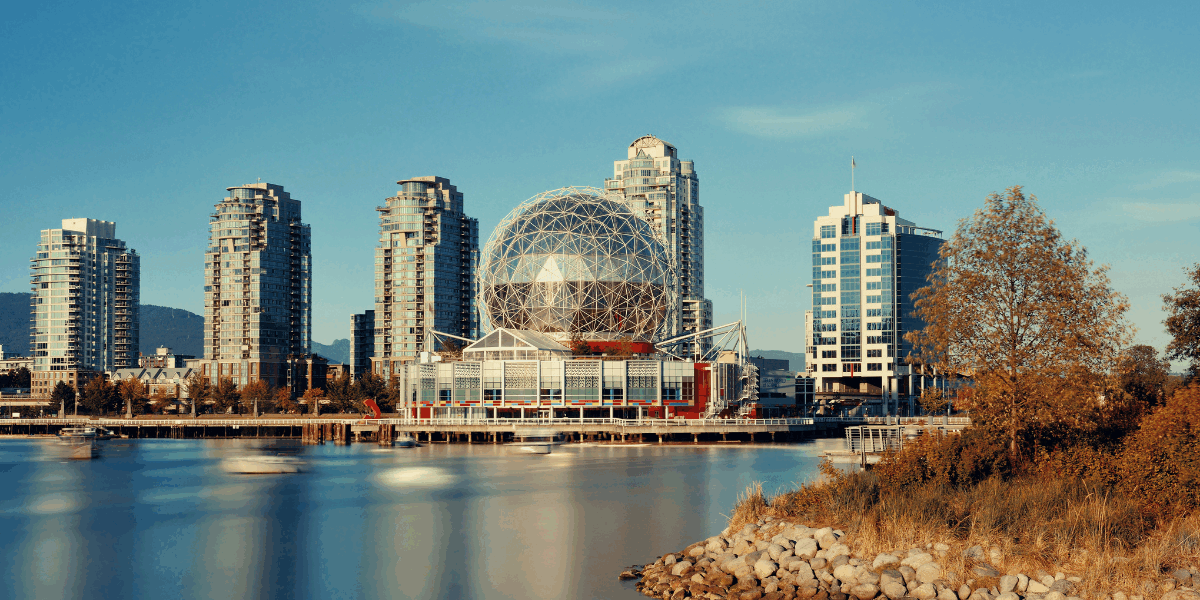
Ranked 10th globally in Most Livable Cities in 2025 report, Vancouver’s position is notable not only for what it represents locally, but for what it says about North America’s overall performance. In 2025, Vancouver was the only city in the region to make the top 10, while others experienced declines tied to healthcare strain and stability concerns.
A Strong Foundation: Healthcare, Education, and Infrastructure
Vancouver consistently scores well in:
- Universal healthcare access
- High-quality public and private education
- Reliable infrastructure and public transportation
- Environmental standards and air quality
These factors combine to support daily life in practical, tangible ways from access to medical services to efficient commuting and well-maintained public spaces.
A City Built for Long-Term Living
Unlike cities that excel primarily as business or tourist hubs, Vancouver is widely recognized as a place designed for long-term settlement. Families, professionals, and retirees alike benefit from:
- Walkable neighborhoods
- Safe residential areas
- Access to parks, beaches, and nature
- Community-oriented urban planning
This balance plays a major role in why Vancouver consistently appeals to newcomers from around the world.
Diversity as a Core Strength
One of Vancouver’s defining characteristics is its multicultural population. A significant portion of residents were born outside Canada, contributing to:
- Multilingual communities
- Diverse cultural institutions
- International cuisine and global perspectives
This diversity is not incidental, it is deeply woven into the city’s identity. For newcomers, this often translates into easier social integration and a stronger sense of belonging. Cities that score high in livability tend to be those where difference is normalized, and Vancouver exemplifies this principle.
Nature, Environment, and Mental Well-Being
Few cities in the world offer the combination Vancouver does: a major urban center surrounded by mountains, forests, and ocean. This access to nature significantly enhances quality of life by supporting:
- Physical activity and outdoor lifestyles
- Mental well-being
- Family-friendly recreation
- Environmental awareness
In the EIU rankings, environmental quality is a critical component, and Vancouver’s natural setting continues to reinforce its global reputation.
How Vancouver Compares to Other Top Cities
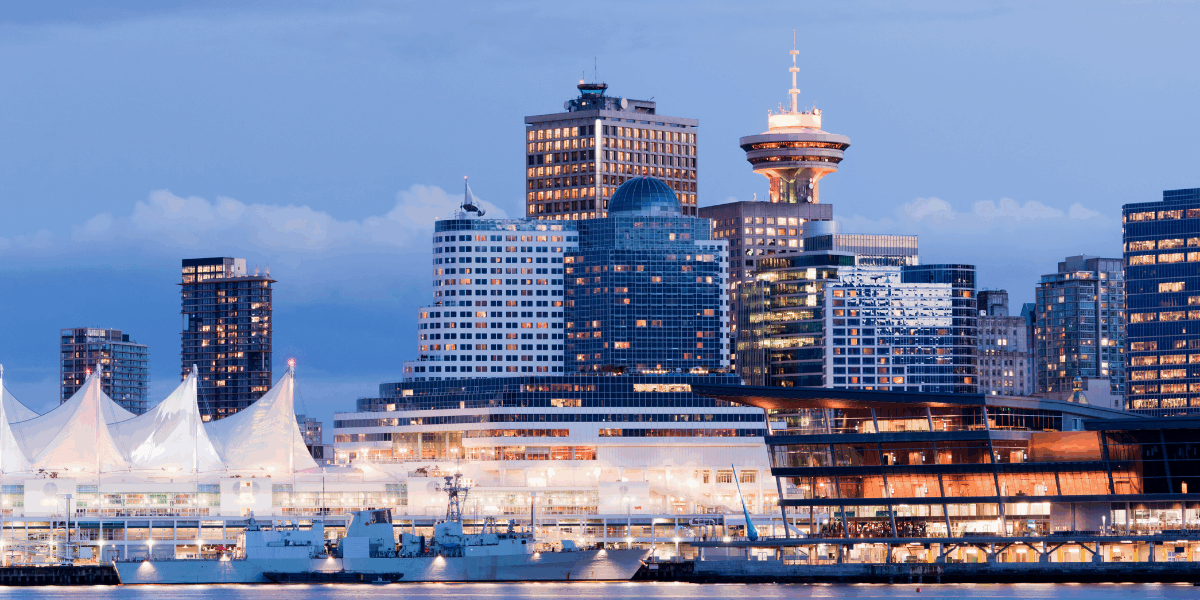
While cities like Copenhagen, Vienna, and Melbourne excel in efficiency, affordability, or cultural life, Vancouver’s strength lies in its balanced profile.
- Compared to European cities, Vancouver offers more space and access to nature
- Compared to Australian cities, it provides closer proximity to major global markets
- Compared to other North American cities, it benefits from stronger healthcare access and public safety
This balance makes Vancouver particularly attractive to people seeking both opportunity and stability.
Immigration and Livability: A Natural Connection
Livability rankings often mirror immigration trends. Cities that rank highly tend to attract:
- Skilled professionals
- International students
- Entrepreneurs and investors
- Families seeking long-term security
Canada’s immigration system is designed to support these pathways, offering structured programs that align with economic needs and demographic growth. At Global Bridge Immigration, our work is to help individuals understand how cities like Vancouver fit into their broader immigration journey not as abstract rankings, but as real places where people build their lives.
Canada’s Broader Performance in the Most Livable Cities in 2025 Index
While Vancouver stands alone in the top 10 in the Most Livable Cities in 2025 list, the report also highlights challenges elsewhere in North America. Calgary, for example, dropped significantly in Most Livable Cities in 2025 due to lower healthcare and stability scores.
This contrast reinforces why consistent investment in public services and infrastructure matters and why Vancouver continues to perform well even amid global uncertainty.
A Global Perspective on Stability and the Future
One of the most striking insights from the Most Livable Cities in 2025 report is the global decline in stability scores. Even traditionally high-ranking cities are feeling the effects of:
- Political polarization
- Security risks
- Economic pressure
- Social unrest
Against this backdrop, cities that maintain social cohesion, strong governance, and reliable public systems become increasingly valuable.
Vancouver’s continued presence in the top tier suggests resilience, not perfection, but an ability to adapt and sustain quality of life over time.
Conclusion: What the Most Livable Cities in 2025 Rankings Really Tell Us
The World’s Most Livable Cities in 2025 remind us that quality of life is not defined by one factor alone. It is the result of policy choices, social values, and long-term planning.
While Copenhagen may lead the rankings this year, Vancouver’s position underscores something equally important: Canada remains one of the most attractive destinations for people seeking stability, opportunity, and a high standard of living.
For those considering a move, livability rankings offer a useful lens but the real story lies in how cities function day to day, and how well they support people over a lifetime.
Vancouver remains one of those rare places where global livability rankings align closely with lived experience making it a compelling choice for those planning their future in Canada. For those exploring Canada as a long-term destination, having the right guidance can make the process clearer and more manageable. Global Bridge Immigration supports individuals and families throughout their Canadian immigration journey, helping them navigate requirements, timelines, and options with transparency and care.
Questions on your immigration goals? Contact us for a free assessment!