EB-3 Unskilled Program: A Pathway to a Green Card. For international students in the U.S., the standard advice is almost always the same: graduate, find a high-paying corporate job in your field, and hope for an H-1B visa. But for “Michael,” a Business Administration undergraduate on an F-1 visa, this advice wasn’t working. He had no plan of leaving the US after his study, but he realized that entry-level sponsors were scarce, and the H-1B lottery odds were stacked against him. He wanted certainty, not a gamble.
Michael decided to take a less conventional route. Instead of fighting for a corporate sponsorship that might never come, he utilized the EB-3 Unskilled category. He was willing to take an unskilled job and as a result, Michael secured his Green Card before many of his peers even secured a second interview.
This case study examines how an F-1 student successfully navigated the EB-3 Unskilled program to transition from the classroom to Permanent Residency.

The Challenge: The “Skills” Gap and Visa Uncertainty
Michael was still completing his degree when he realized the precariousness of his situation. While he had the education, he lacked the years of experience many employers required for sponsorship. Furthermore, the “Unskilled” category is often overlooked by students who fear working outside their field of study.
The Constraints:
- Finding a Sponsor: Most corporate employers won’t sponsor entry-level students for Green Cards immediately.
- F-1 Status Maintenance: Michael needed to maintain his full-time student status while the immigration process ran in the background.
The “Other Workers” Stigma: The EB-3 Unskilled visa is for jobs requiring less than two years of training (e.g., food processing, cleaning, warehouse work). Michael had to be willing to work a blue-collar job to earn his status.
For additional information on the EB-3 Unskilled visa, you can review the official USCIS EB-3 page.
The Solution: Help from Agency
Recognizing he couldn’t find a sponsor on his own, Michael contacted an immigration consulting agency who provided detailed information about the EB-3 Unskilled program and guided him to look for right sponsors for his application—often in labor-shortage industries like manufacturing or food services—who were pre-vetted and willing to sponsor EB-3 visas.

Here is the workflow Michael followed with the consultant’s guidance:
Step 1: Matching and PERM Labor Certification
As per the consultant advice, Michael approached and secured a job offer from a large warehouse employer that had a chronic shortage of workers.
- The Process: The employer filed the PERM Labor Certification with the Department of Labor (DOL) to prove no U.S. workers were available for the specific warehouse role.
- The Student’s Role: During this 12 month processing time, Michael simply continued his studies. Since the PERM is a future job offer, he did not need to stop school or work for the sponsor yet.
Outcome: The DOL certified the PERM application, verifying the labor shortage.
Step 2: The I-140 Petition
With the PERM approved, the employer filed the I-140 Immigrant Petition.
- Verification: The employer provided all necessary documents including financial documents to prove they could pay Michael’s wages.
Approval: The I-140 was approved, solidifying Michael’s spot in the immigration queue.
Step 3: The Wait and Adjustment of Status (I-485)
The EB-3 Unskilled category often faces a backlog (retrogression) on the Visa Bulletin.
- Strategic Timing: Because Michael started this process while still a sophomore/junior in college, the waiting period overlapped with his schooling. By the time he was nearing graduation, his “Priority Date” became current.
Filing I-485: Michael filed for Adjustment of Status from within the U.S. This granted him an Employment Authorization Document (EAD) and essentially locked in his ability to stay in the U.S., even as his F-1 status concluded.
The Result: The “Work” Phase
To comply with immigration law and show good faith to the sponsor, Michael reported to the warehouse to begin his employment immediately after receiving his Green Card. The Payoff: After completing his tenure at the warehouse, Michael used his Business degree to apply for corporate jobs, launch a business, or work anywhere in the U.S. without visa restrictions.
For a quick and easy overview, check out our YouTube video “What is the EB-3 Visa? – Global Bridge Immigration” where we break down how the EB-3 program works.
Conclusion
Michael’s journey demonstrates that the “prestige” of your initial visa sponsor matters less than the security of the result. By working with a reliable, trustworthy immigration consultant to apply for the EB-3 Unskilled program, he was able to secure a lifetime of freedom in the United States. It requires planning, patience, and willingness to work a labor job, but for many, it is the most surefire path to a Green Card.
Are you an international student worried about your future in the U.S.? Contact us to explore if the EB-3 Unskilled program is the right strategy for you.

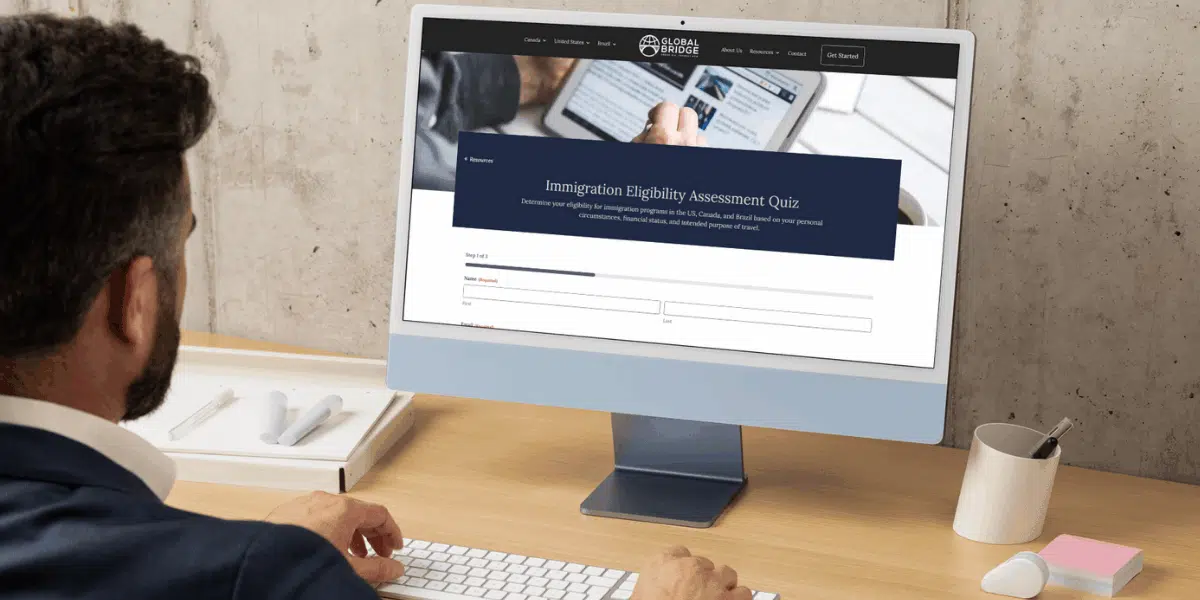
If you’re ready to explore your eligibility for the EB-3 Unskilled program, the best place to begin is with our quick EB-3 Assessment Form. This initial evaluation helps determine whether you meet the key requirements and qualifications before moving forward, giving you a clearer picture of where you stand. Once you complete the assessment, a member of our team will personally review your information and reach out to discuss your results. During this follow-up, we will walk you through the process in more detail, answer any questions you may have, and help you understand the steps involved in pursuing the EB-3 visa. Our goal is to ensure you feel informed, supported, and confident as you move forward.